- By TACH Systems Team
- 29 May 2026
- 5 minutes
Share on
When a machine manufacturer or an OEM needs to integrate hardware, software, IoT and artificial intelligence, they face a very real, day-to-day challenge: each component speaks a different language.
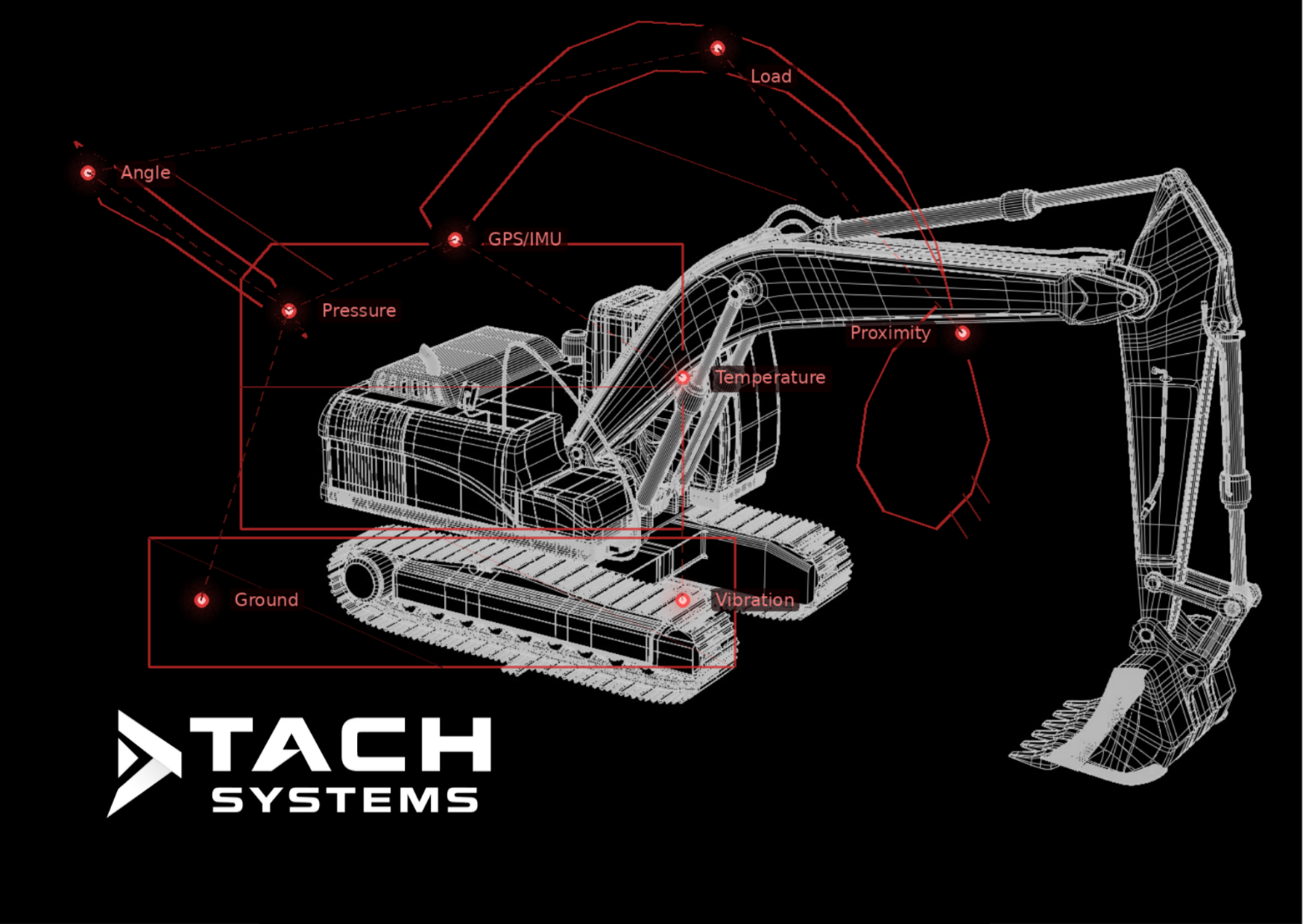 Coordinating all this means managing multiple suppliers, misaligned timelines, technical specifications that do not always communicate with one another, and a constant risk: that the finished product will not reflect the initial vision, or that it will reach the market late and over budget.
This is exactly where the System Integrator comes in: the professional who transforms complexity into a functioning system, from concept to finished product, from the circuit board to the data in the cloud.
What does a System Integrator actually do?
A System Integrator is a strategic partner that operates on three key levels.
They design with you, not just for you. They work on the electronics, the system architecture and connectivity, because they understand your sector and its specific challenges. They do not apply off-the-shelf solutions, but work with the client to build the best solution for the actual use case.
It integrates what others separate. It builds the complete picture, bringing together engineering expertise that would normally require three or four different parties. A single point of contact, a coherent vision, and clear accountability throughout the entire development cycle.
It supports you right through to production. From prototype to series production, via industrialisation: this phase is precisely what distinguishes an idea from an industrial product.
15 industrial sectors in which we operate
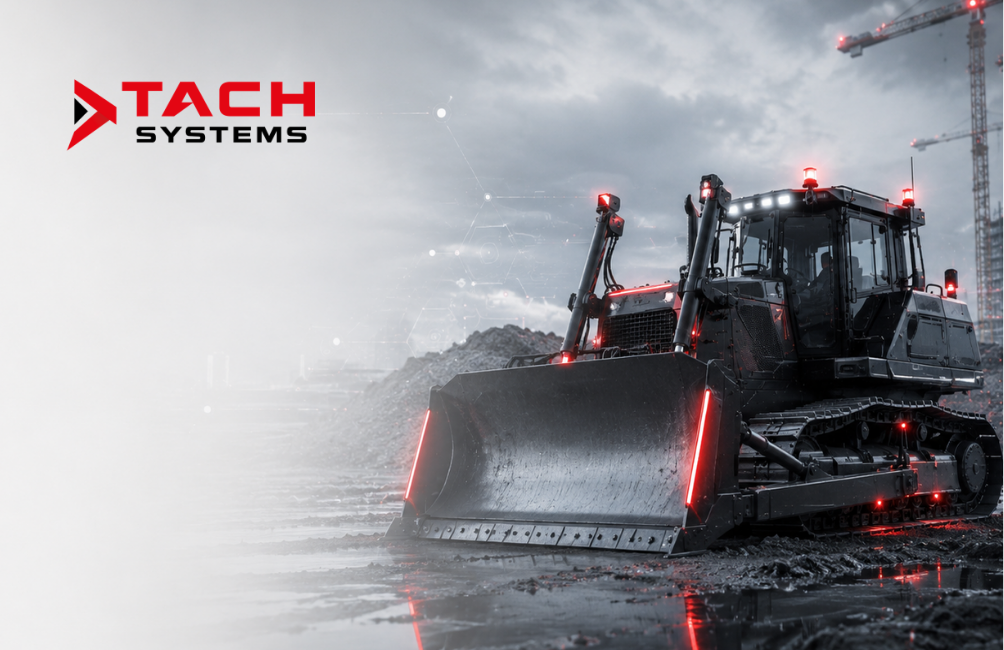 We have built up our expertise by working across a wide range of sectors, each with its own technical and regulatory requirements.
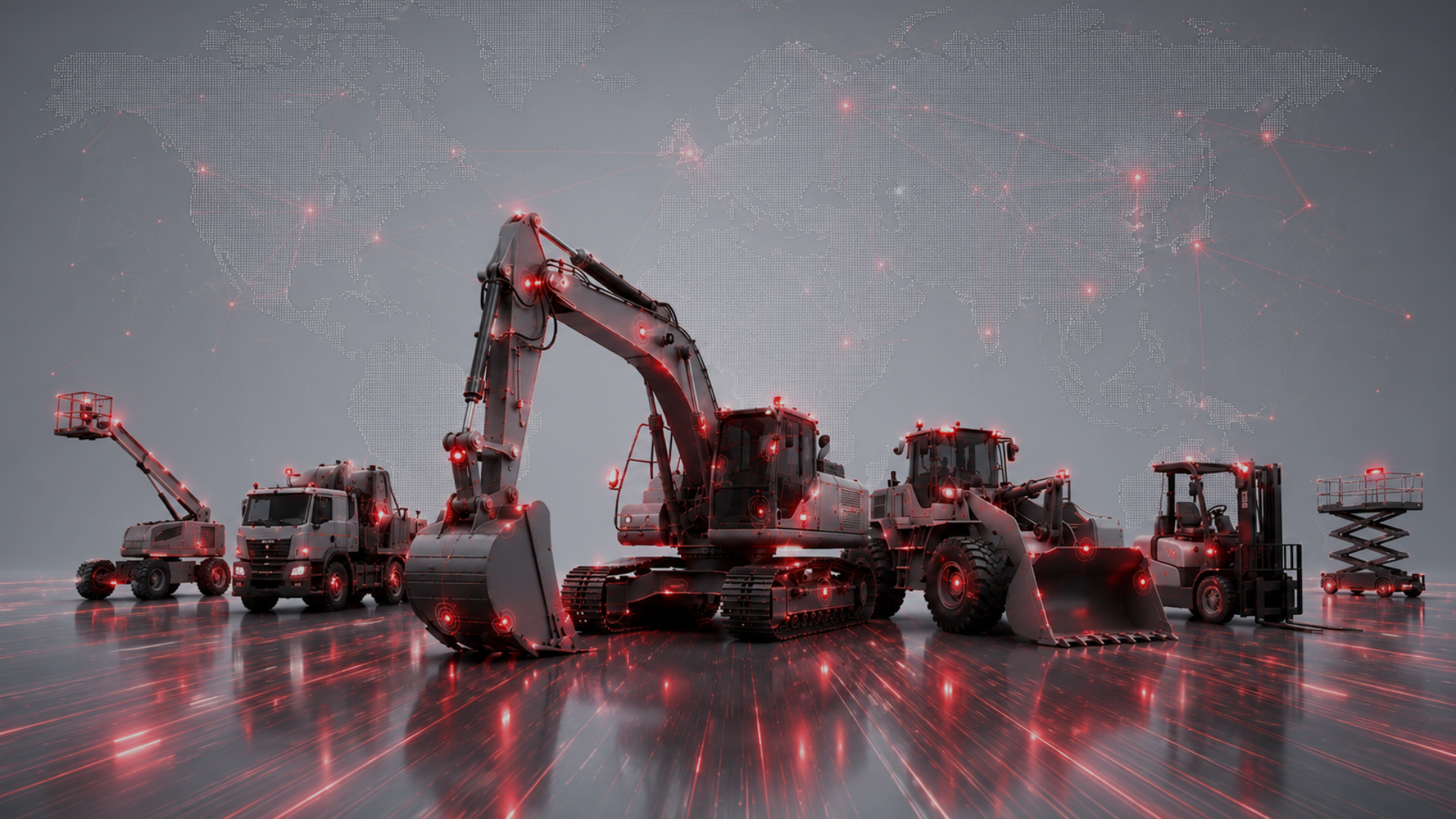
We operate in fields ranging from industrial mobility to industrial automation, from wiring design to off-highway applications, from precision agriculture to earth-moving machinery, from special-purpose vehicles to industrial control systems, from intralogistics to energy, right through to highly regulated sectors where reliability and traceability are fundamental requirements.
The challenges facing machine builders today
The machine builders we meet every day face four recurring challenges.
Integration of electronic components.
Sensors, controllers, actuators and communication modules must work in perfect synchronisation: every new function increases the number of potential points of incompatibility.
Data management.
A connected machine generates continuous streams of information. Transforming this into operational value requires architectures designed from the outset for data collection, processing and security.
Ensuring reliability.
In an industrial setting, machine downtime is costly: redundancy, diagnostics and robustness are required at every level, from hardware to firmware.
Accelerating innovation.
Product cycles are getting shorter, and partners are needed who can prototype, validate and scale up production at the speed of the market.
Integrated expertise: what this means in practice
We develop custom and standardised hardware, write application software and develop embedded firmware, work in co-design with our clients’ teams, provide technical support at every stage, and manage custom design when off-the-shelf solutions are insufficient.
Our scope of work includes IoT and architectures for Industry 4.0 and 5.0, wireless and wired connectivity solutions, wiring design for physical integration into systems, advanced sensor technology, data management from collection to the cloud, telemetry for remote monitoring, fleet management for mobile applications, and predictive maintenance based on data analysis algorithms.
Why choose a partner like TACH Systems
Mobility and industrial automation are becoming smarter and more connected every day. Machines are complex systems in which value is increasingly generated through the interaction between sensors, algorithms and digital infrastructure.
In this context, having a partner at your side who simplifies the electronics of your systems is what makes the difference between a product that struggles to keep up and a solution that stays ahead of the market. It means reducing the number of points of contact, shortening development times, lowering technical risks and achieving consistency across the different parts of the system.
If you’re looking for technical precision, scalability and a more coordinated development process, let’s talk.